









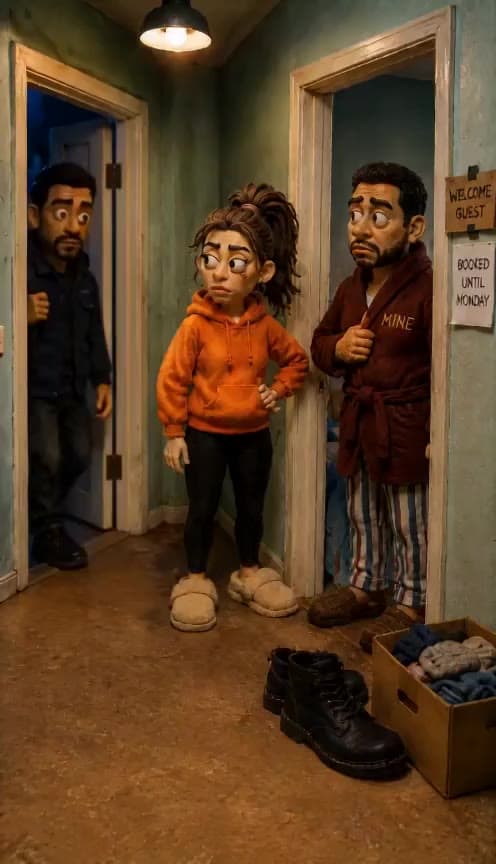

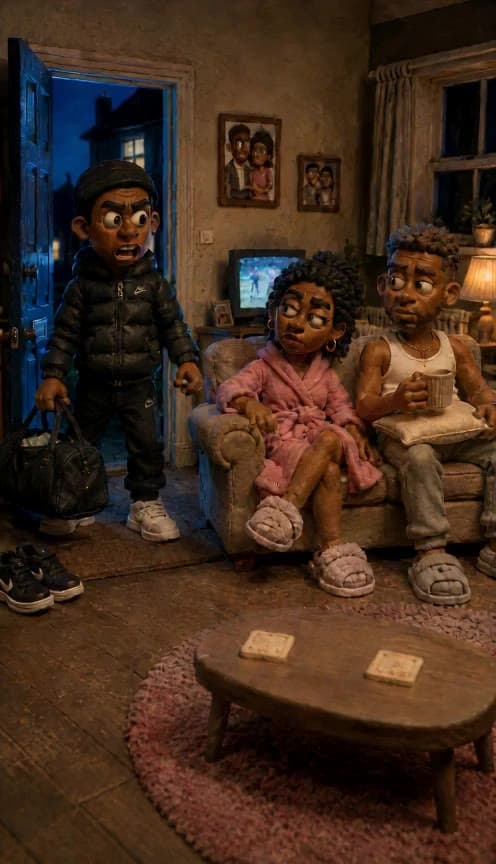
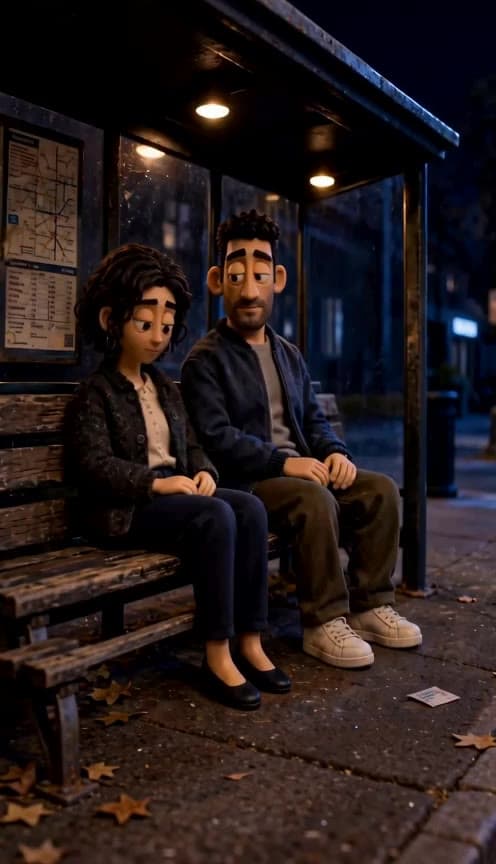


















Art Gallery turns a single written starting scene into a video that feels like a walk through a curated exhibition. It’s useful when you want your subject presented as framed artwork inside a gallery-style space, with the camera revealing the room, wall arrangement, and viewing mood around it. Content creators can use it for artist promos, album or book teasers, character reveals, portfolio intros, or aesthetic social posts that need a slower, more deliberate presentation than a standard slideshow. Social media managers can also use it for campaign launches where a product, poster, or visual theme needs to feel displayed rather than simply shown. The effect works best when your first frame clearly defines the room, artwork style, and focal piece.
Learn more about
Learn more about
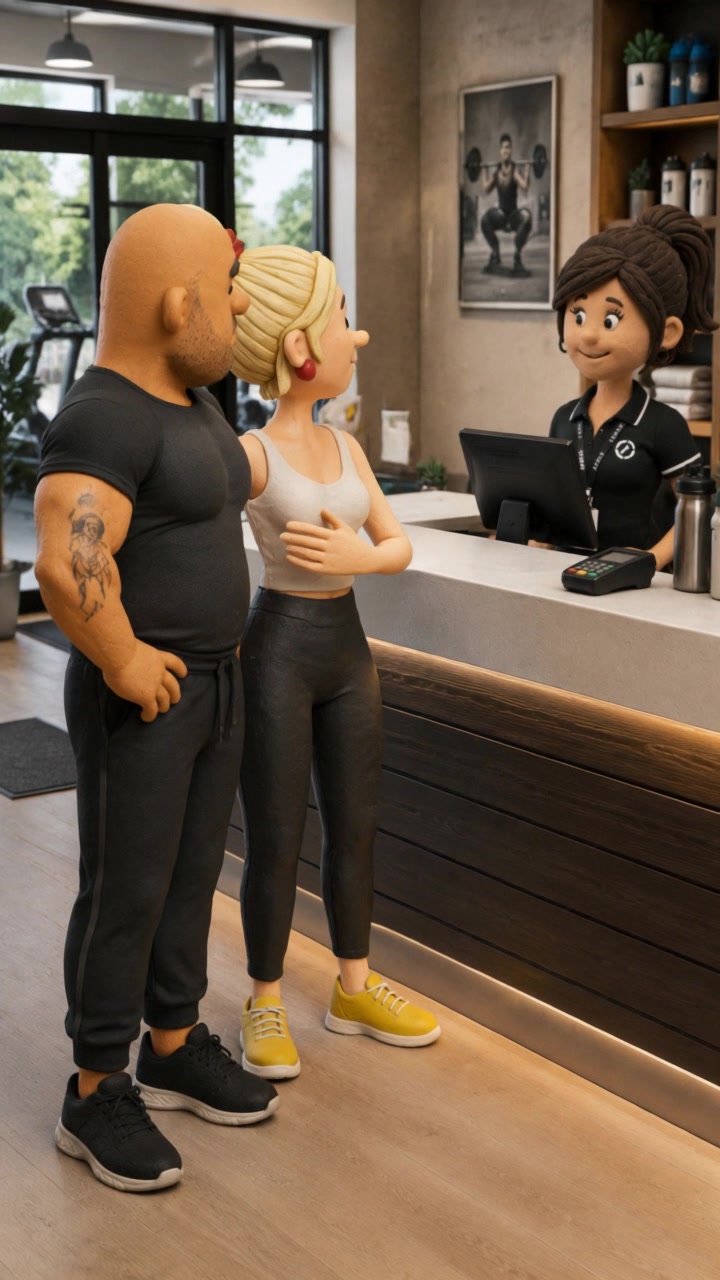
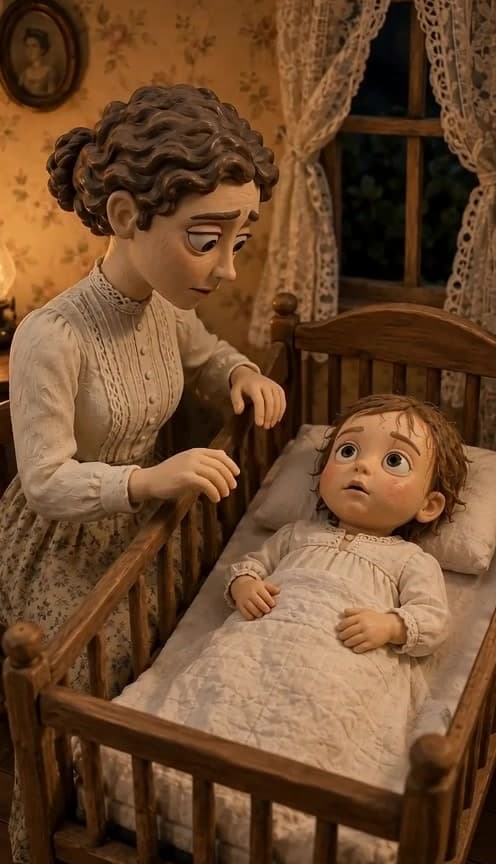
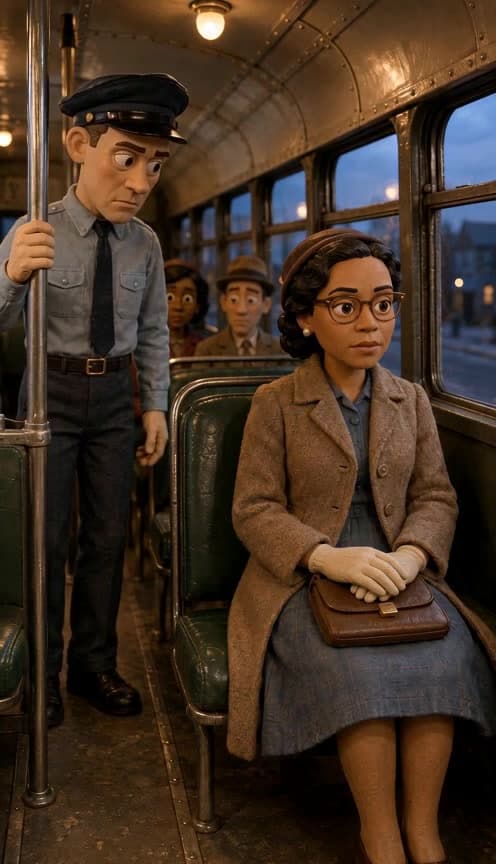
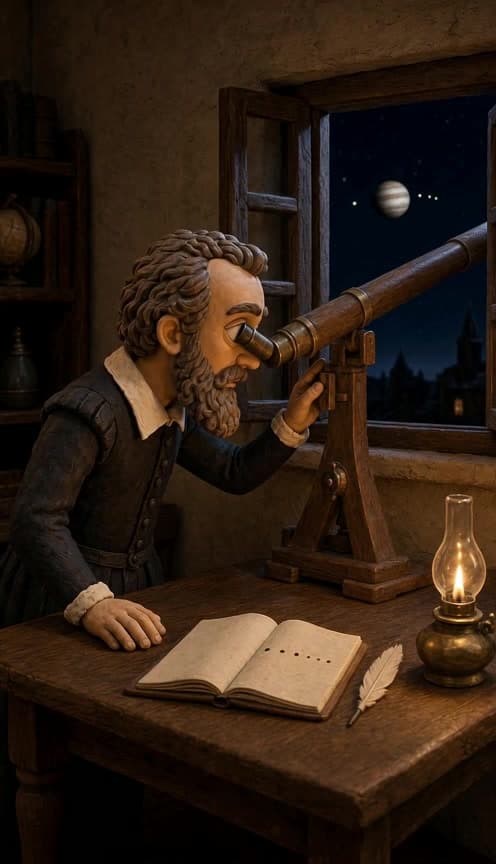
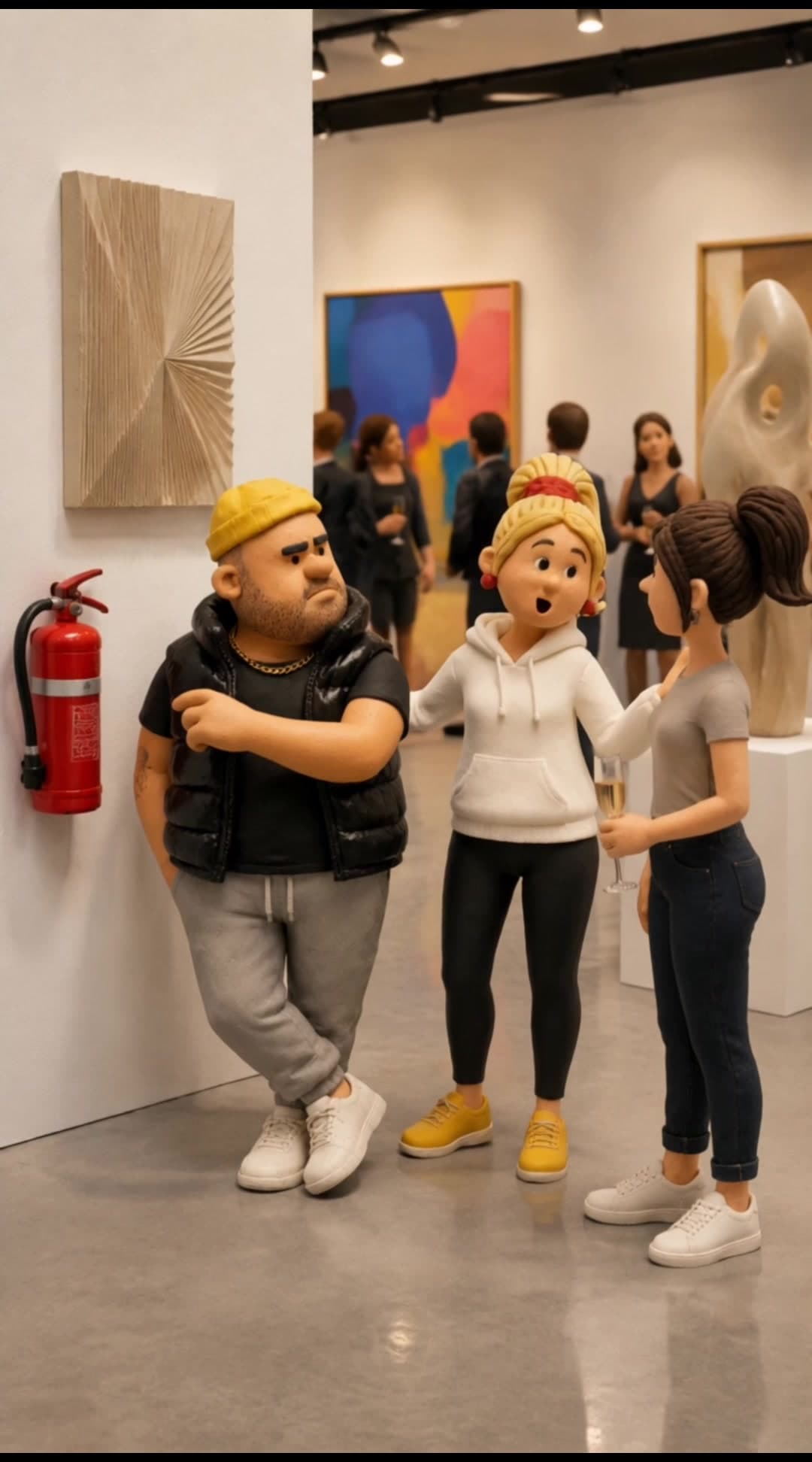
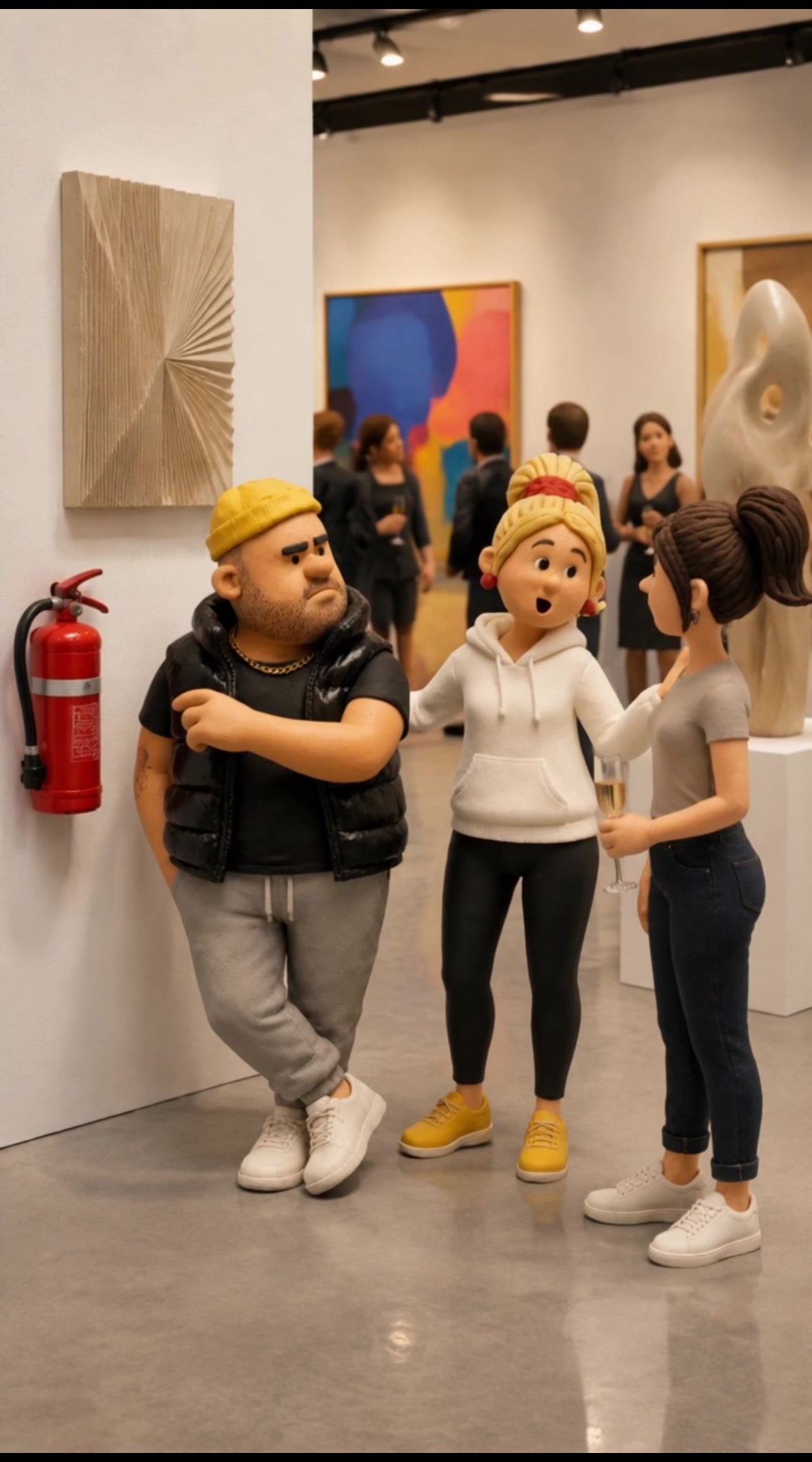
With Art Gallery, the AI takes your scene_prompt describing the first frame and builds a short clay-style comedy scene inside a polished contemporary gallery.
It reads the room setup, the characters, and the focal object you place in view, then stages a conversational moment around that environment rather than just showing static artwork on walls.
The model makes choices about gallery layout, guest placement, lighting, camera framing, and character acting so the space feels like a real opening night.
It also interprets your first-frame details to set up a visual joke, especially if your prompt includes something ordinary sitting among expensive-looking art, letting the video land on an awkward, deadpan payoff.
No. You can describe one strong opening piece, and the effect can build a gallery-style scene around it. If you want a more curated look, mention whether the walls should feature matching works, a series, or one hero piece.
It can go either way depending on your first-frame description. A museum, pop-up exhibit, surreal neon gallery, or cartoon art room can all work if you define the setting clearly.
Portraits, fashion visuals, concept art, posters, product illustrations, and themed collections tend to read well. Anything that makes sense as something a viewer would stop and look at on a wall usually fits the format.
Yes. It works well when the brand asset is treated like part of an exhibit, such as packaging artwork, campaign posters, or editorial-style visuals. The result usually feels more like a showcase than a direct sales post.
Usually it leans more measured than high-energy, since the format mimics viewing art in a space. If you want more intensity, describe lighting, layout, and mood in a way that suggests a bolder exhibition environment.
It can render a gallery without people, but this specific effect reads best when your first frame includes someone interacting with the space. The humor and pacing are stronger when a person has something to react to, point at, or misinterpret.
Yes. If you want the comedy beat to land clearly, mention the everyday object in the first frame description so it is visible from the start. Small details like a fire extinguisher, exit sign, cleaning cart, or thermostat give the scene a clear payoff.
Yes. All content generated on Flashloop can be used for commercial purposes, social media, ads, client work, product listings. No additional licensing fees.