









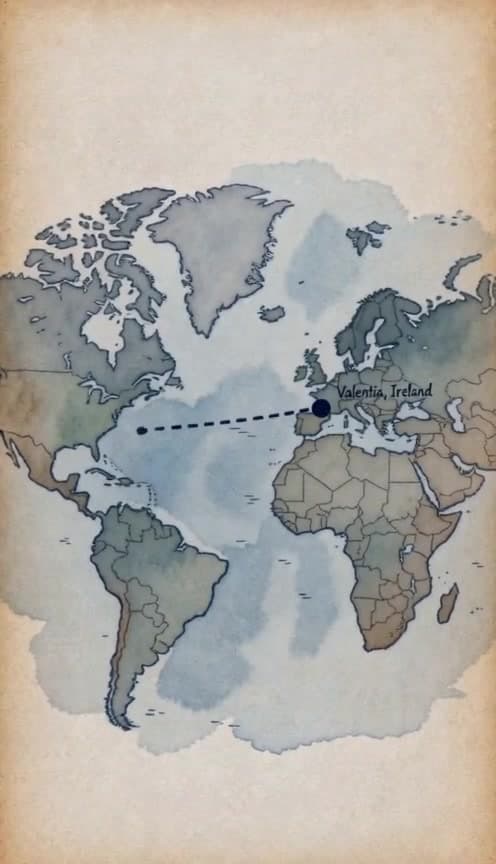


































The Ocean turns a written first-frame idea into a short video built around open water, shoreline movement, and sea-driven atmosphere. It’s useful when you want a post that feels reflective, cinematic, or travel-oriented without filming at the coast yourself. Content creators can use it for mood clips, intro sequences, story backgrounds, or ambient cutaways. Social media managers can use it for summer campaigns, destination teasers, wellness branding, or event promos that need a coastal setting. Casual users can use it for visual journaling, playlist visuals, or vacation-style posts. This effect works best when your prompt clearly defines the starting scene, camera distance, time of day, and any major elements like cliffs, boats, foam, fog, or people near the water.
Learn more about
Learn more about
With The Ocean, you only provide a scene_prompt describing the first frame, and the effect builds a short seaside conversation from that setup.
It reads your opening image for things like beach layout, distance from the water, and who appears near the shoreline, then turns that into a moving coastal shot with waves, breeze, and character staging.
This specific effect leans into a Curious Club-style beat: one character asks a simple question, another gives a confidently wrong answer, and a third lands the real explanation.
The AI uses your first-frame wording to decide the setting details and visual tone, while keeping the action centered on a playful ocean fact exchange rather than a silent landscape clip.

Focus on the first frame. The effect uses that setup to infer natural ocean motion like rolling waves, drifting mist, and subtle camera energy.
Yes. Words like glassy, peaceful, overcast, rough, stormy, or wind-whipped strongly affect the tone and wave behavior in the generated video.
No. You can prompt realistic coastlines, dreamy seascapes, moody maritime shots, or stylized fantasy ocean settings as long as the first frame is clearly described.
Yes, but keep them secondary unless they are important to the composition. This effect is strongest when the ocean setting remains the main subject and people support the scene rather than dominate it.
Use location-specific details and texture cues like black volcanic sand, jagged cliffs, fog over cold water, tide pools, or weathered docks. Those details give the scene a more distinct coastal identity.
The Ocean is tuned for a Curious Club-style exchange, so the result usually includes a playful misunderstanding before the correct explanation lands. If you want it to feel more educational than silly, keep your first-frame prompt grounded and avoid describing exaggerated expressions or chaotic action.
Give the scene enough room for both the people and the shoreline. A prompt that mentions a wide or eye-level beach view, where each person is placed, and one clear action near the water usually helps the conversation feel readable instead of cramped.
Yes. All content generated on Flashloop can be used for commercial purposes, social media, ads, client work, product listings. No additional licensing fees.