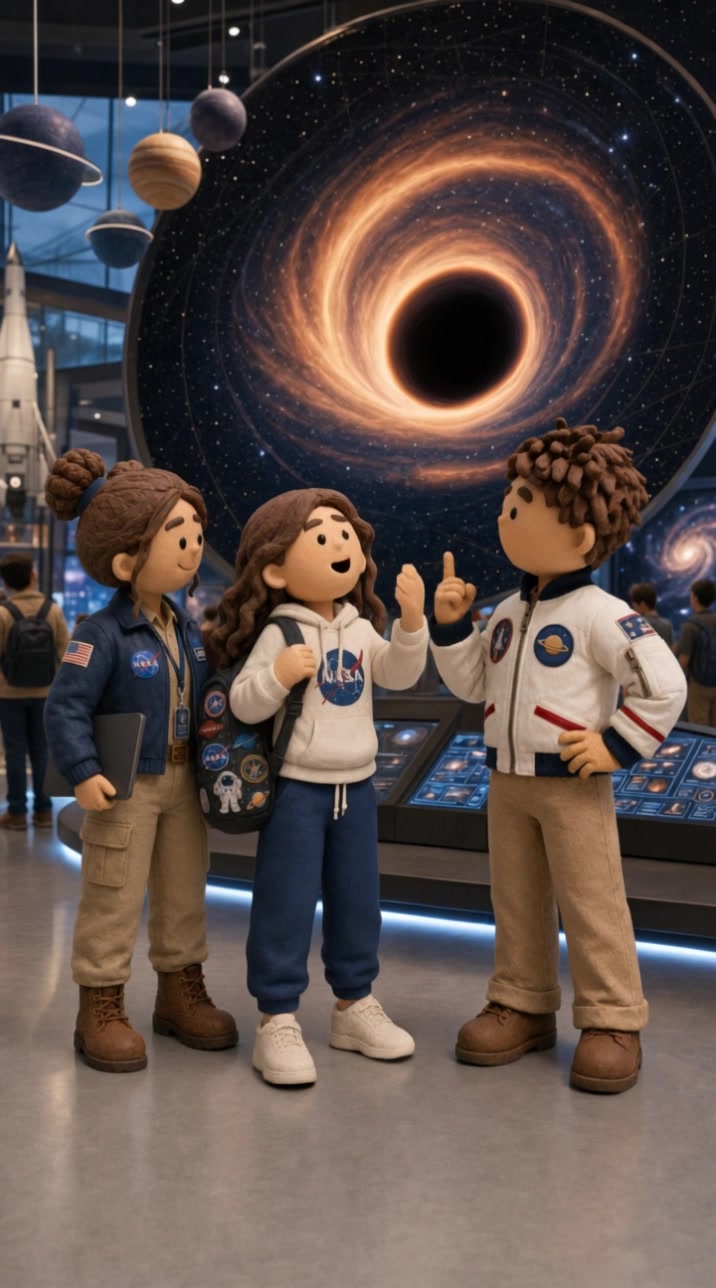

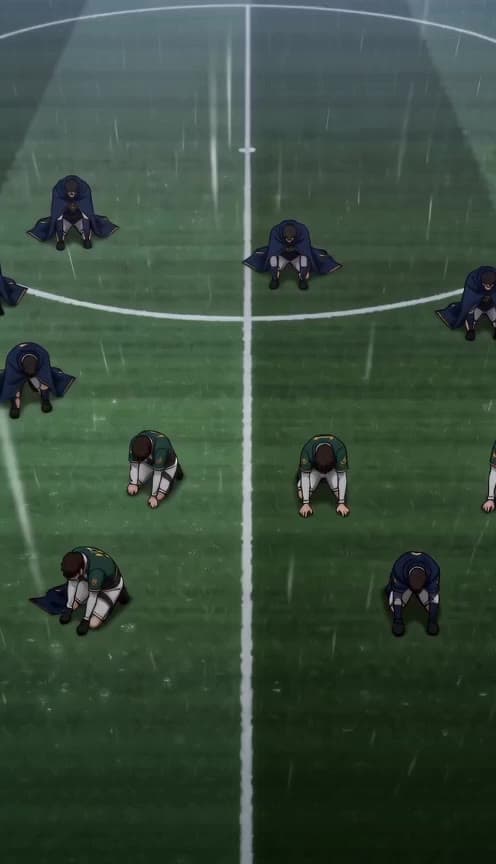

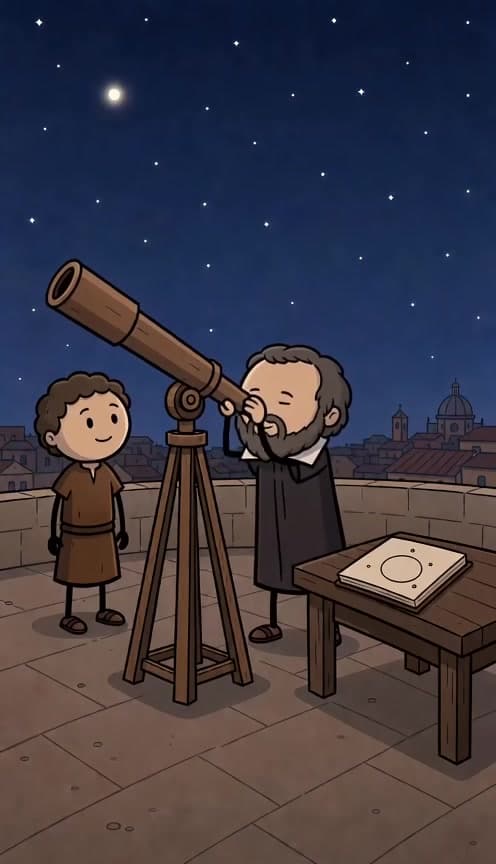

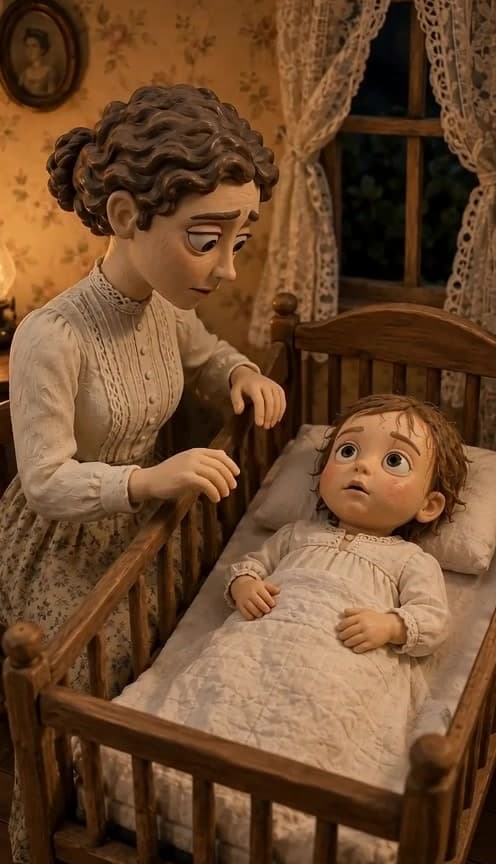
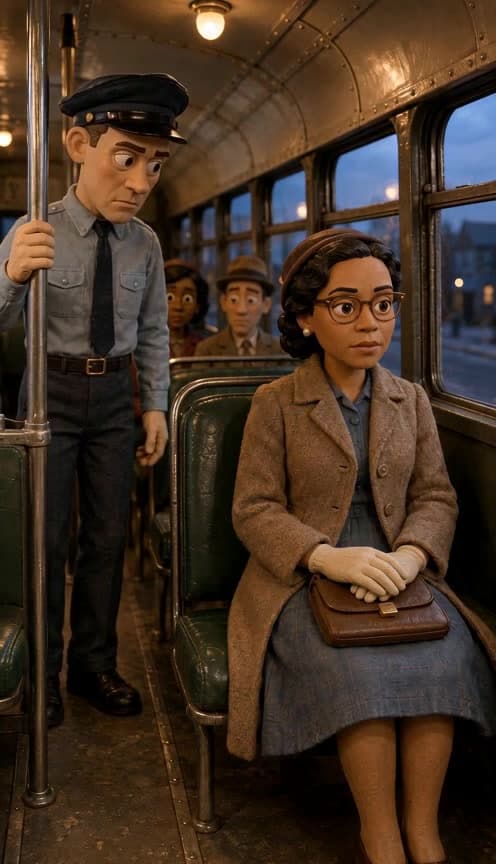




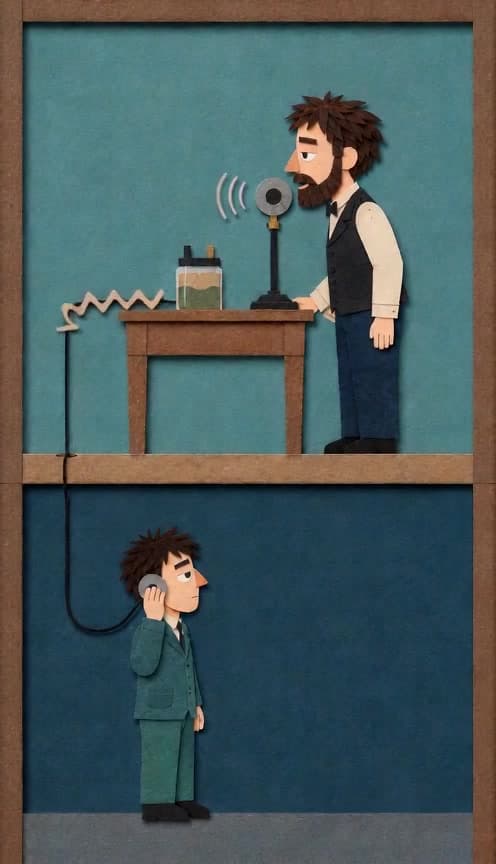
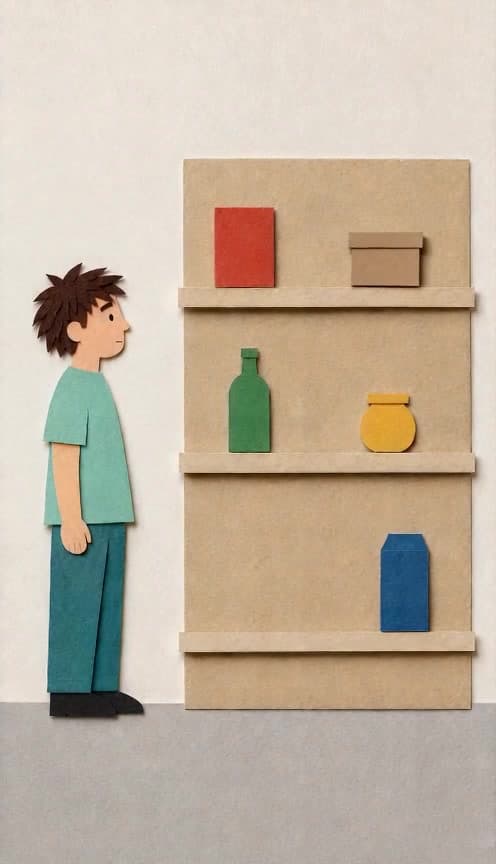
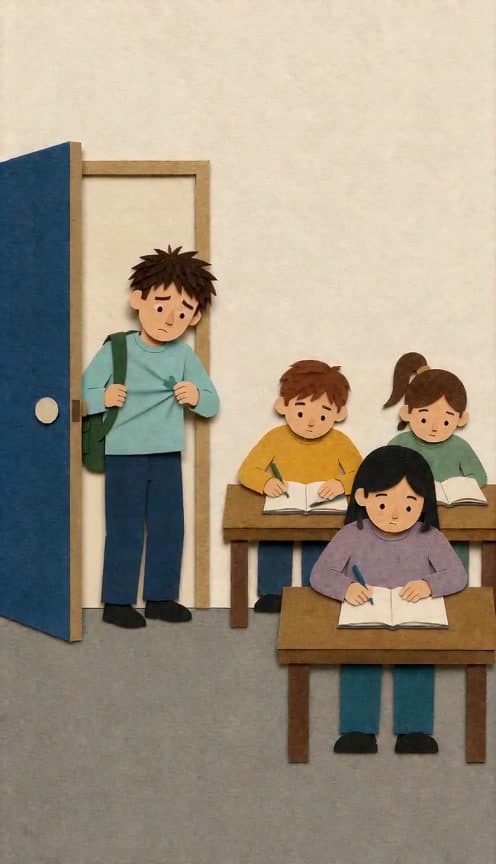
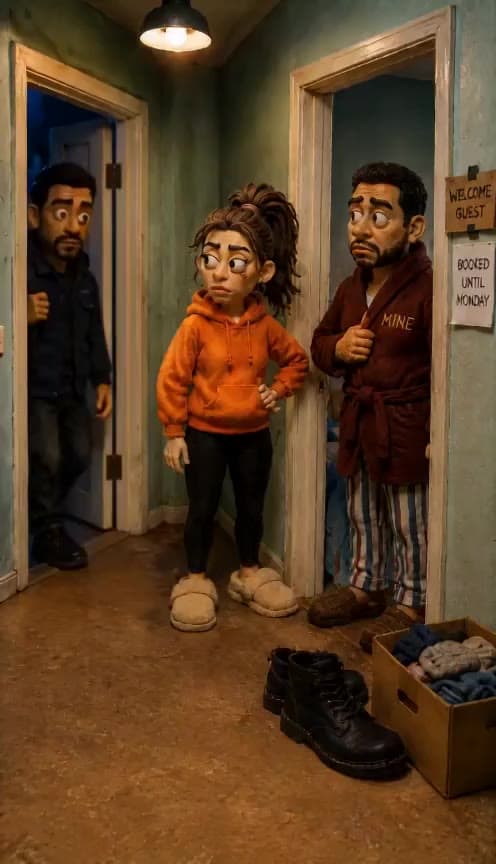

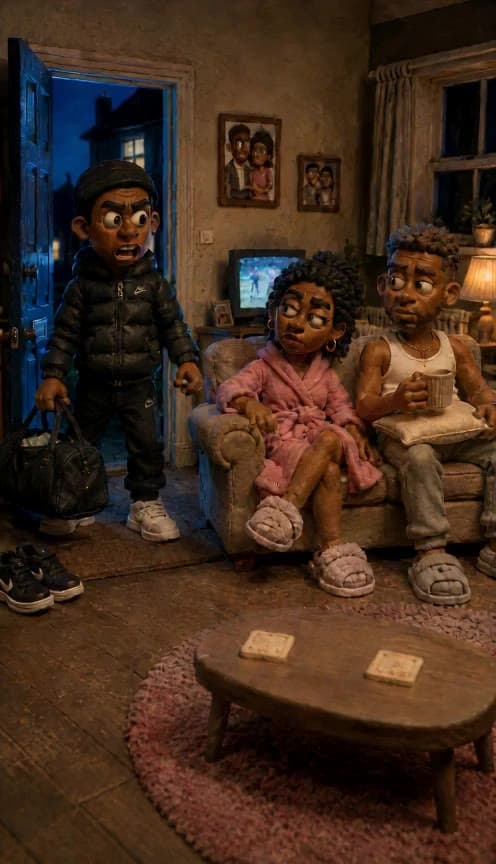
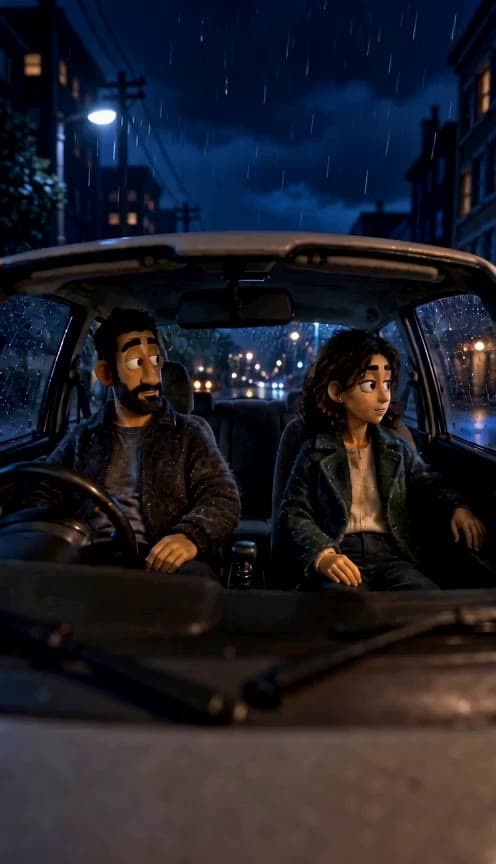
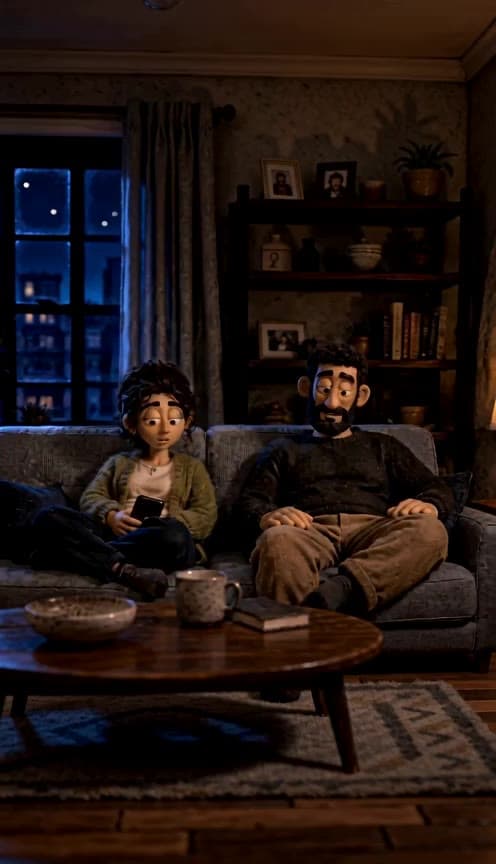
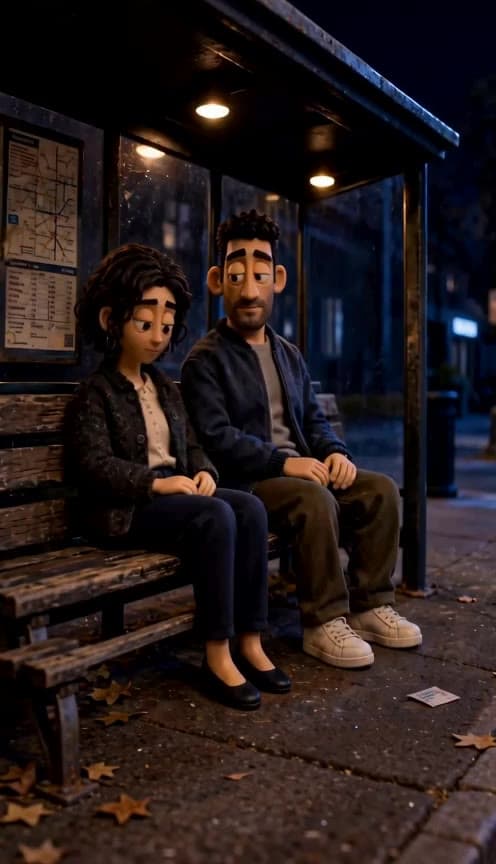

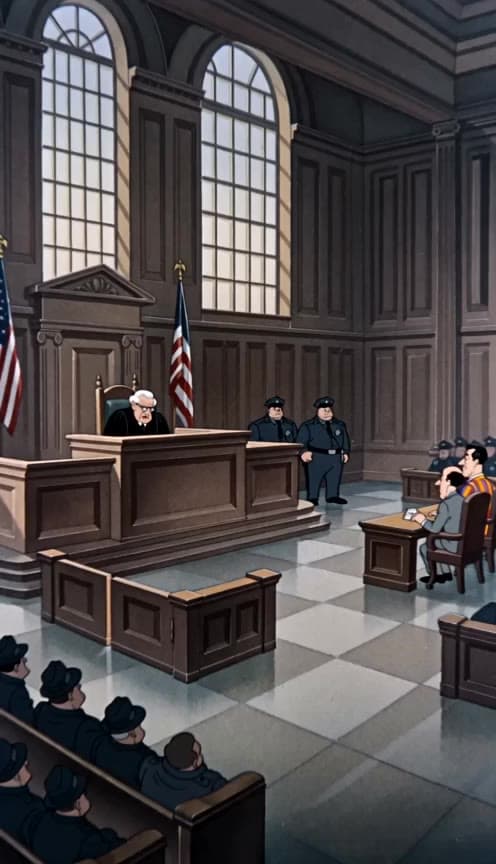
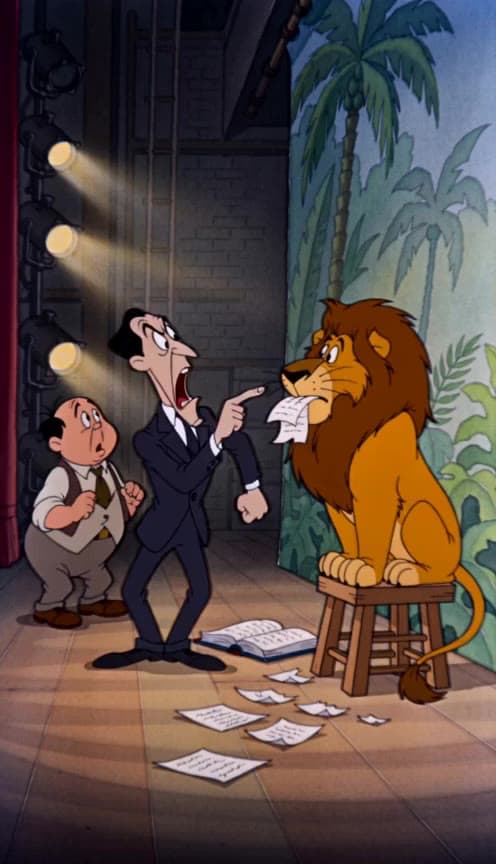










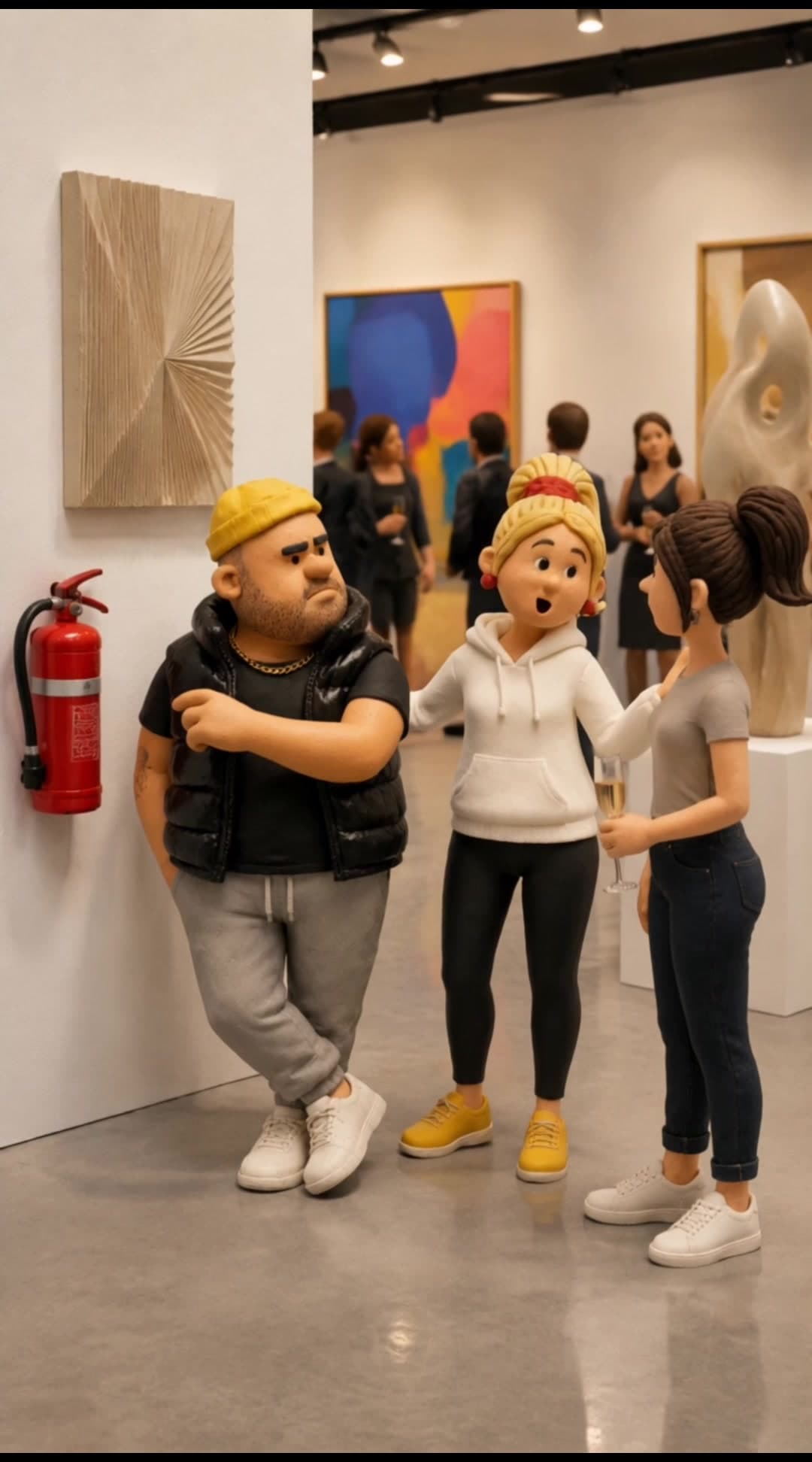


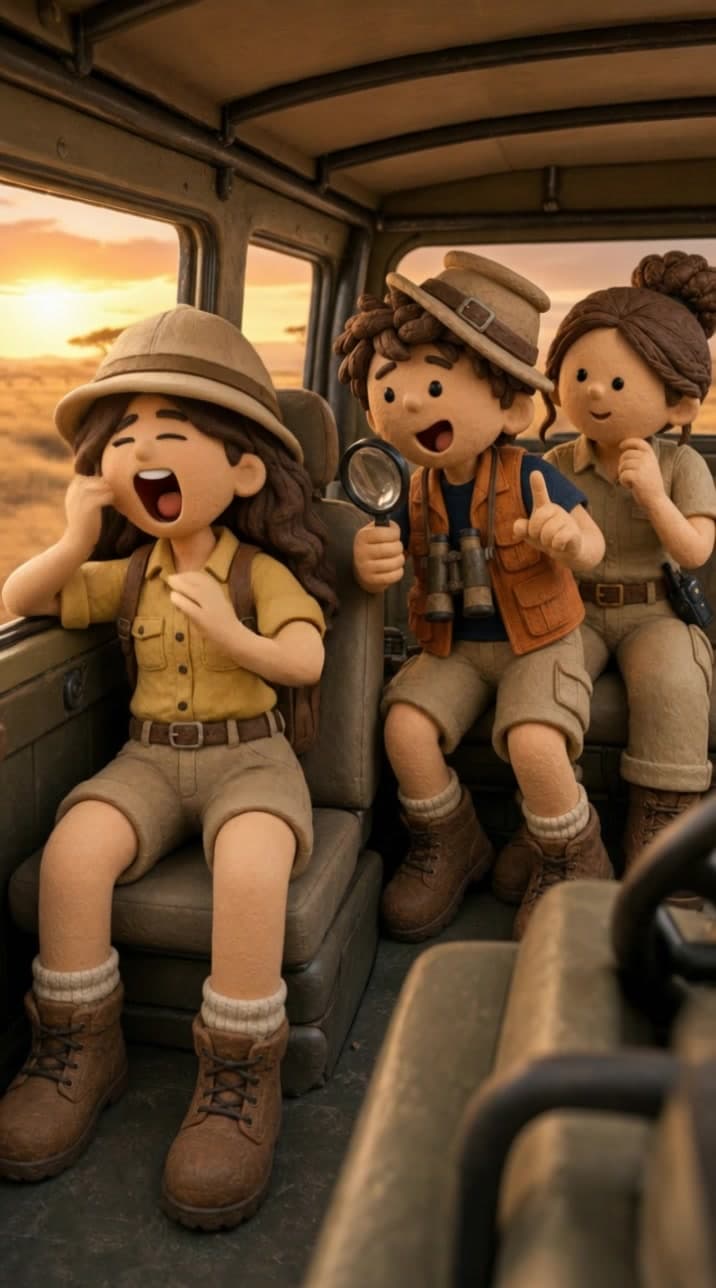

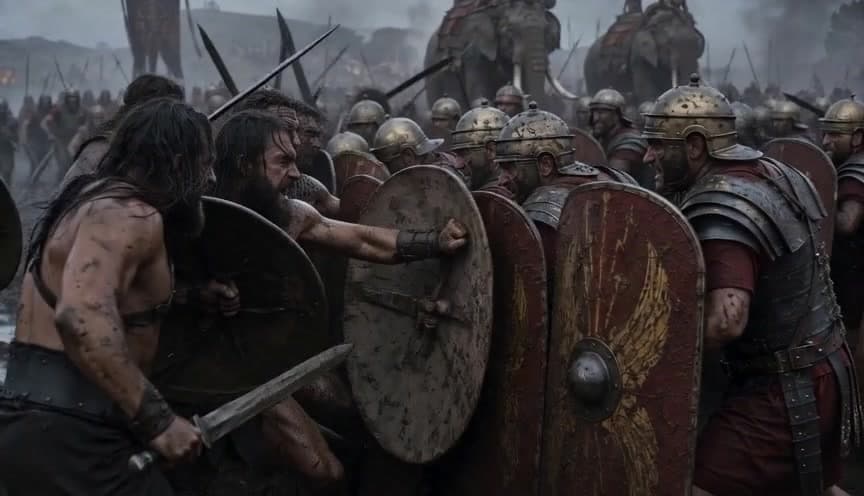
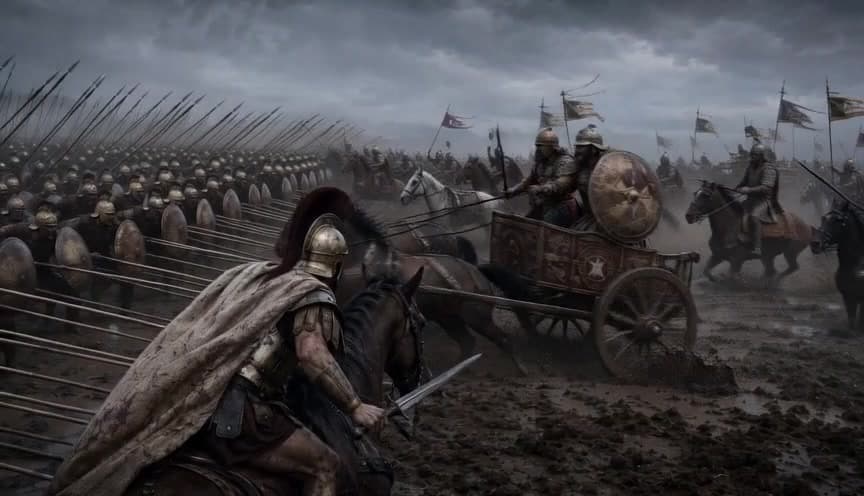
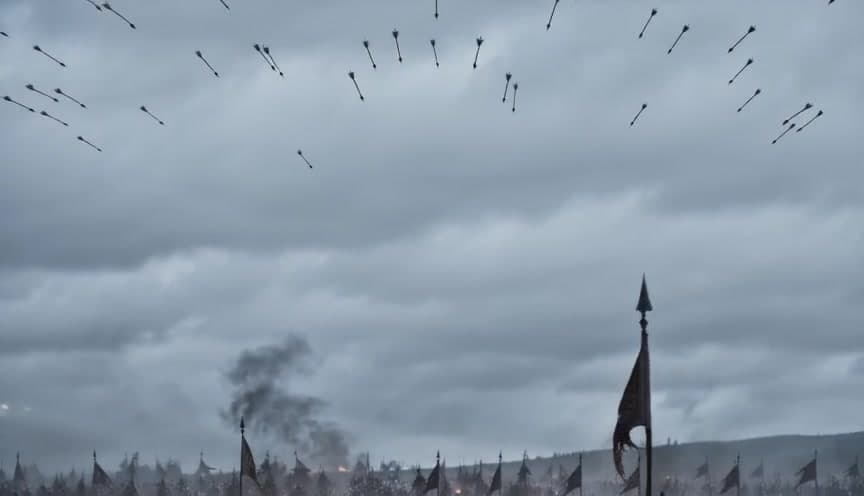
The Yawn turns a simple first-frame idea into a short video built around a contagious, slow-building yawn reaction. It works well when you want a character moment instead of a big action scene, think sleepy office humor, late-night creator posts, “me before coffee” memes, or low-energy reaction clips for TikTok, Reels, and Shorts. Because the motion centers on facial expression and body language, this effect is especially useful for prompts with one clear subject and a readable mood. Content creators can use it for relatable skits, social media managers can make light workplace or Monday-morning posts, and casual users can turn an ordinary setup into a recognizable, shareable reaction video.
Learn more about
Learn more about
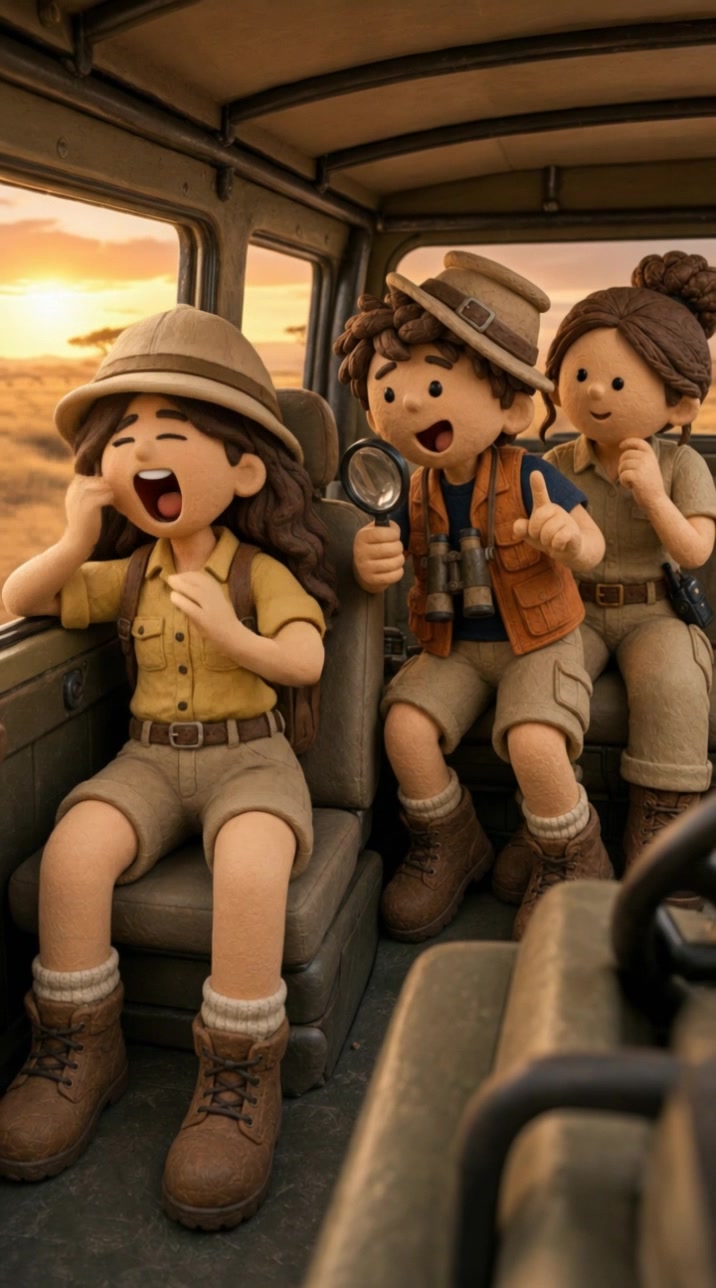
With The Yawn, the AI takes your scene_prompt and treats it like the opening frame of a short Curious Club moment rather than a standalone portrait.
It reads the setting, who is visible, and the mood of the first frame, then builds a compact sequence where a yawn kicks off a back-and-forth reaction.
The motion tends to favor a medium, readable composition, keeping faces and upper-body gestures clear so the joke lands.
Instead of turning the scene into broad action, this effect steers toward conversational timing: one tired character, one character jumping to a funny conclusion, and a third presence that grounds the scene.
Your prompt shapes the environment, styling, and who appears in that opening shot.
A simple first frame with one main person or character usually gives the cleanest result. Clear context like “sleepy student in a library, close-up” helps the motion feel natural.
Yes, as long as the subject has a readable face and a pose the model can build from. Cartoon mascots, pets, and humanoid characters can all work if the prompt is visually specific.
It leans naturally toward relatable, expressive moments, so comedy and reaction-style content tend to fit best. You can still push it in a more moody direction with lighting and setting details in the prompt.
Yes, details like close-up, medium shot, or seated waist-up can noticeably improve the result. Since the effect depends on visible expression, framing helps the AI prioritize the face and upper body.
You can, but simpler scenes usually read better for this effect. If there are too many subjects competing for attention, the yawn moment may feel less clear.
It helps if your first frame clearly suggests a small group, especially if you want the full reaction dynamic. A single subject can still work, but this effect reads most naturally when the prompt gives the AI a tired character and at least one visible observer.
The setting can look cinematic, but the performance usually stays light and conversational. If you use dramatic scenery, expect the background to add atmosphere while the main focus remains the sleepy moment and the humorous exchange around it.
Yes. All content generated on Flashloop can be used for commercial purposes, social media, ads, client work, product listings. No additional licensing fees.