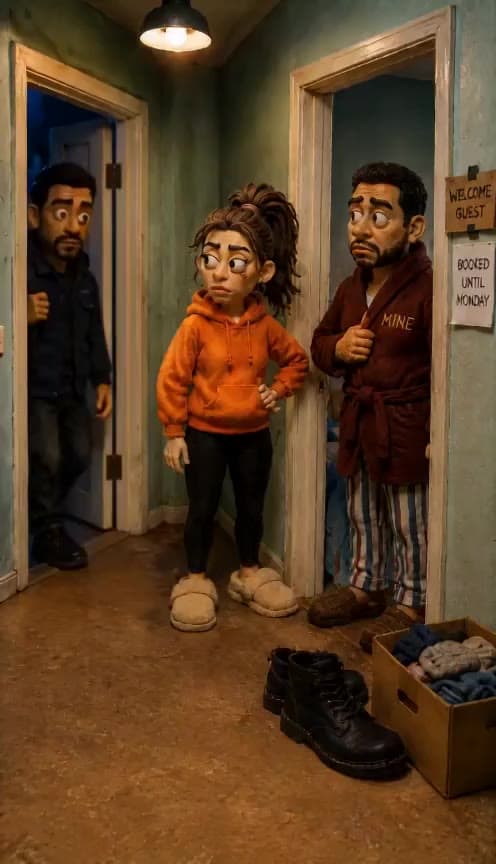
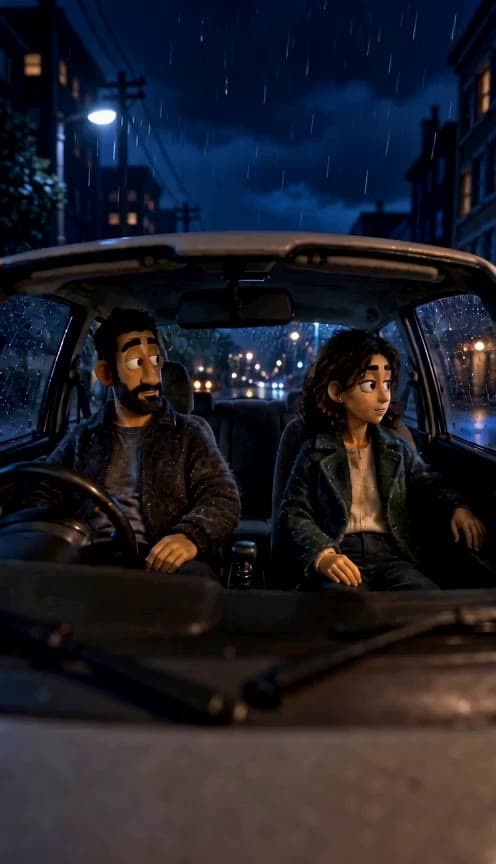






This effect adds facial hair to your portrait and creates a bearded version of the person in the photo. You get one edited image that keeps the face structure but changes the look with added beard growth.
Learn more about
Learn more about
When you upload source_image (image: Your photo), the Beard Filter analyzes the face shape, mouth placement, cheek area, chin edge, and skin tone to figure out where facial hair should sit.
Instead of pasting on a generic beard, it builds new texture around the lower face so the result follows your features and existing expression.
The AI makes small visual decisions about density, edge softness, and how the beard connects across the mustache, jaw, and side areas.
It also tries to match color and shading to the lighting already in the portrait, so the added facial hair feels like part of the original image rather than a separate layer.
Clear portraits with the full lower face visible work best. The effect needs to see the chin, cheeks, and upper lip to place facial hair naturally.
Yes, but the change may be less dramatic. The effect tends to read strongest on clean-shaven or lightly stubbled faces.
Sometimes, but front-facing photos are usually better. A straight view gives the effect more facial detail to build a balanced beard shape.
Usually the main change is the added beard or stubble, but minor adjustments can happen around the mouth, jaw shading, or skin texture so the facial hair blends in. Your overall identity, pose, and composition should stay recognizable.
It works best when one face is clearly the focus. In group shots, the AI may struggle to decide which person to edit or may apply weaker results if faces are small in the frame. A cropped single-person image is the safer choice.
Yes. All content generated on Flashloop can be used for commercial purposes, social media, ads, client work, product listings. No additional licensing fees.