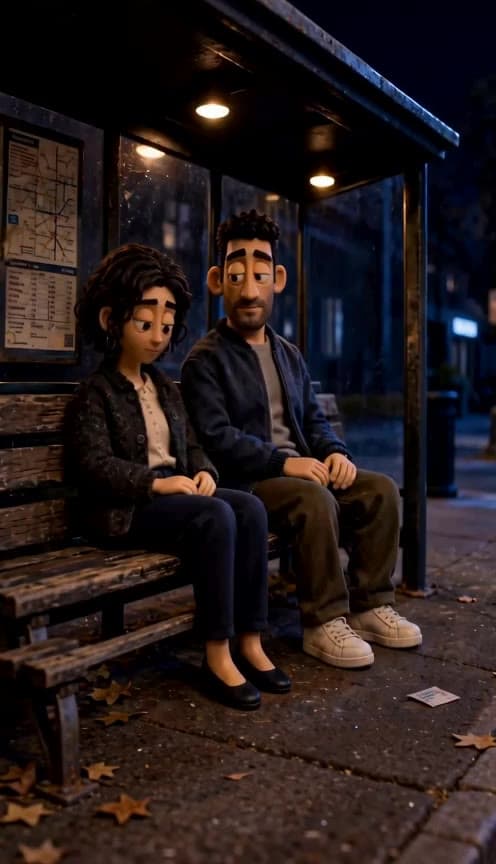

This effect ages the person in your photo and adds older facial details like wrinkles and a more mature look. You get one edited image that shows an older version of the same face.
Learn more about
Learn more about
When you upload source_image (image: Your photo), Old Age Filter analyzes the face structure first, things like bone shape, skin regions, hairline placement, and where age would realistically show up on that specific person.
Instead of just laying wrinkles on top, the AI reshapes facial texture and subtle proportions so the result still reads as the same individual years later.
It makes creative decisions around crow’s feet, forehead lines, under-eye changes, skin softness, and sometimes hair or brow aging cues if they’re visible in the original.
The model tries to preserve identity, pose, and overall composition from your photo while shifting the face into a later-life version that feels coherent with the original image.
It creates an older-looking version of the person in the image. The effect usually adds age lines, skin texture changes, and a more senior facial appearance.
Yes, close-up selfies usually work very well. Clear face detail gives the effect more information to build a believable aged result.
It can, but front-facing portraits are more reliable. A straight or slightly angled face gives the model better visibility for aging features evenly.
It works best when one face is clearly dominant in the frame. In group shots, the model may focus on the most visible person or produce uneven aging across different faces, so solo portraits are the safer choice.
Usually the main transformation stays centered on the face. Clothing, background, and most accessories tend to remain close to the original, though small visual shifts can happen if those areas overlap heavily with the face or hair.
Yes. All content generated on Flashloop can be used for commercial purposes, social media, ads, client work, product listings. No additional licensing fees.