









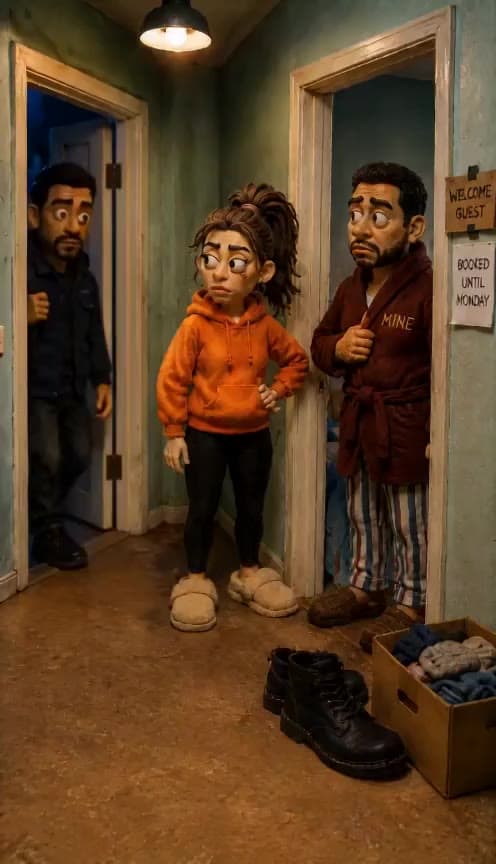

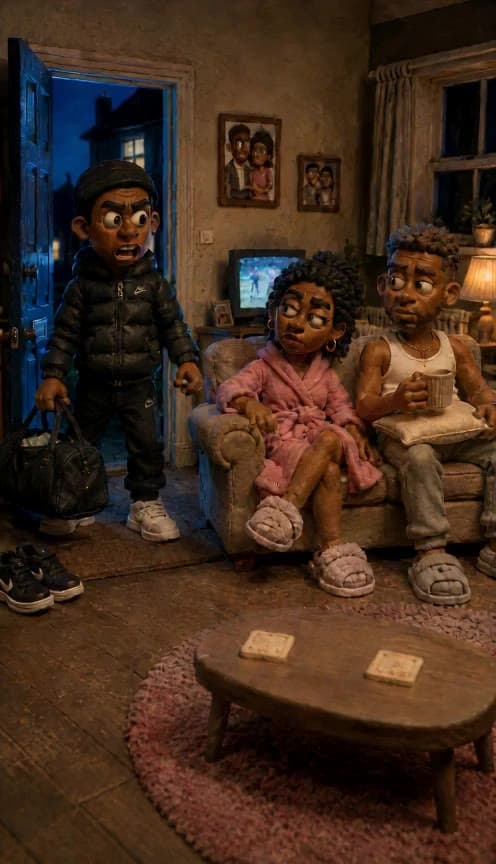
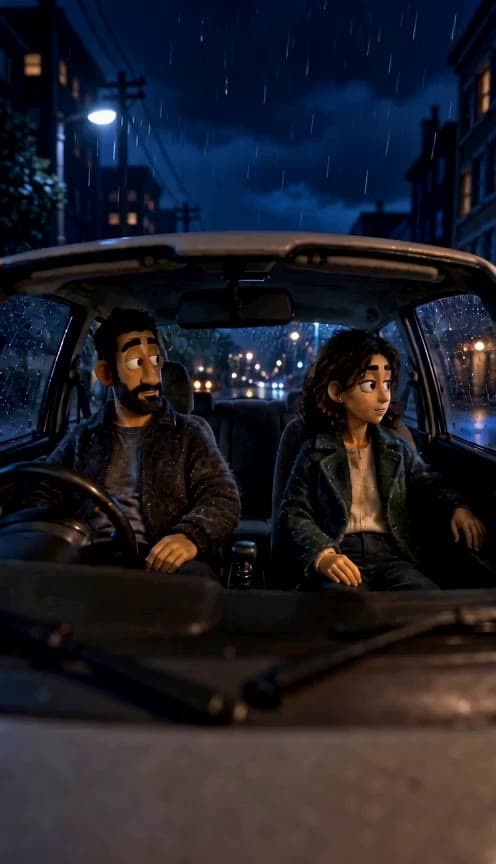
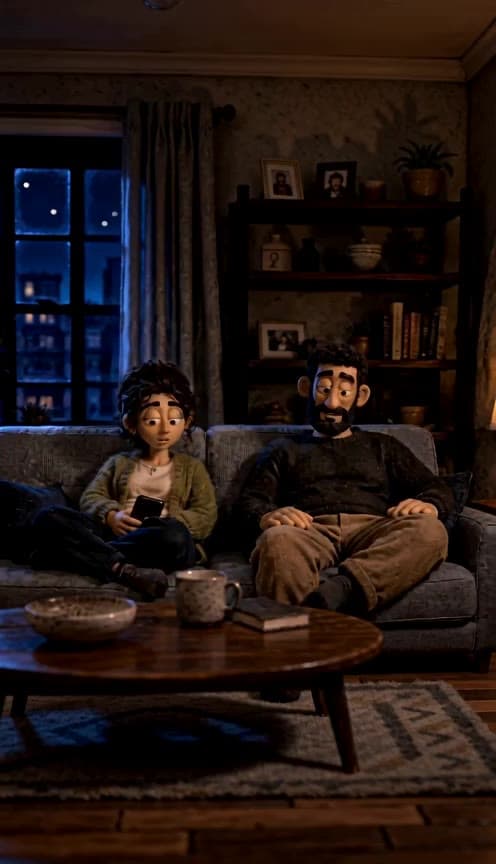


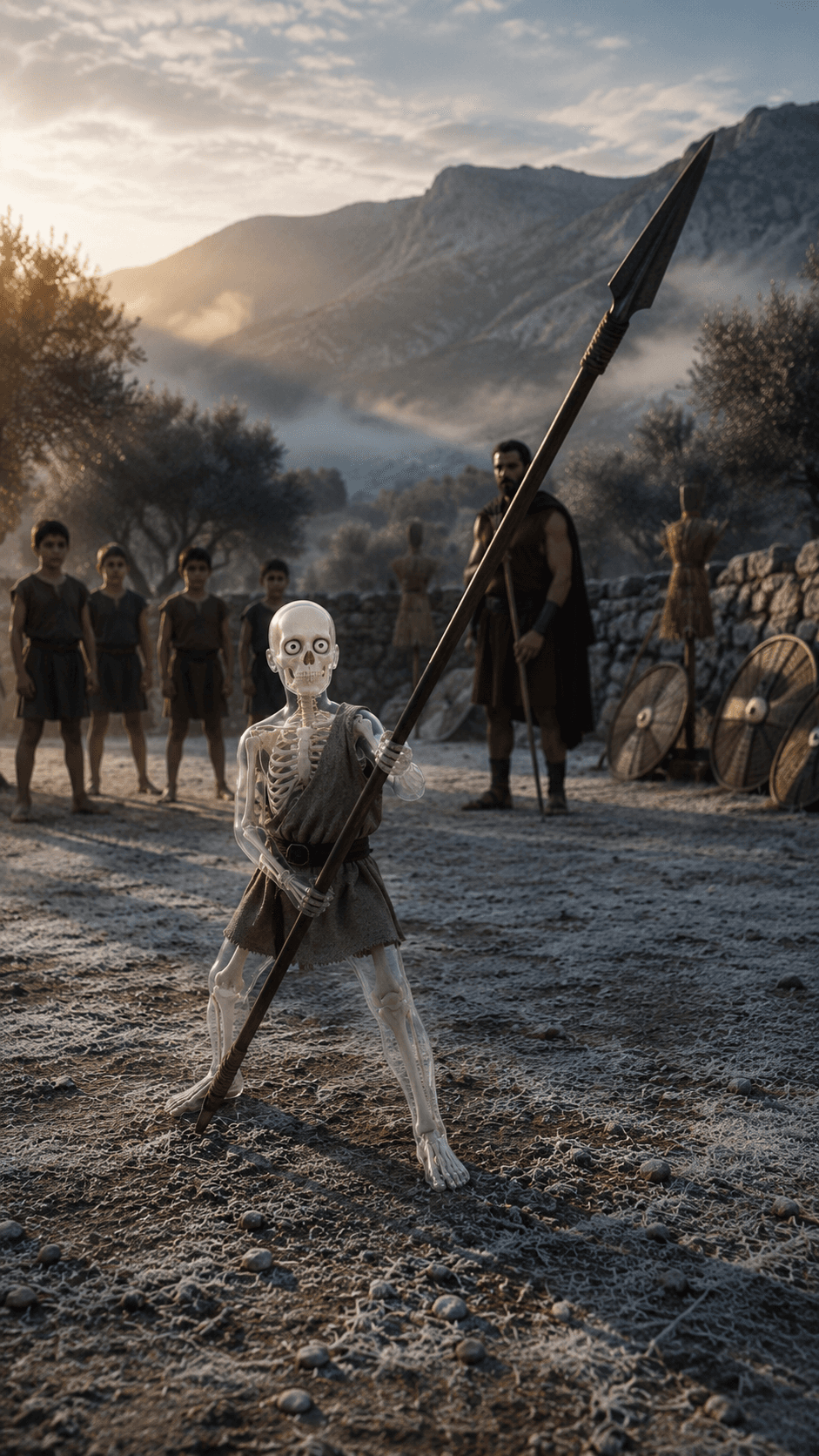







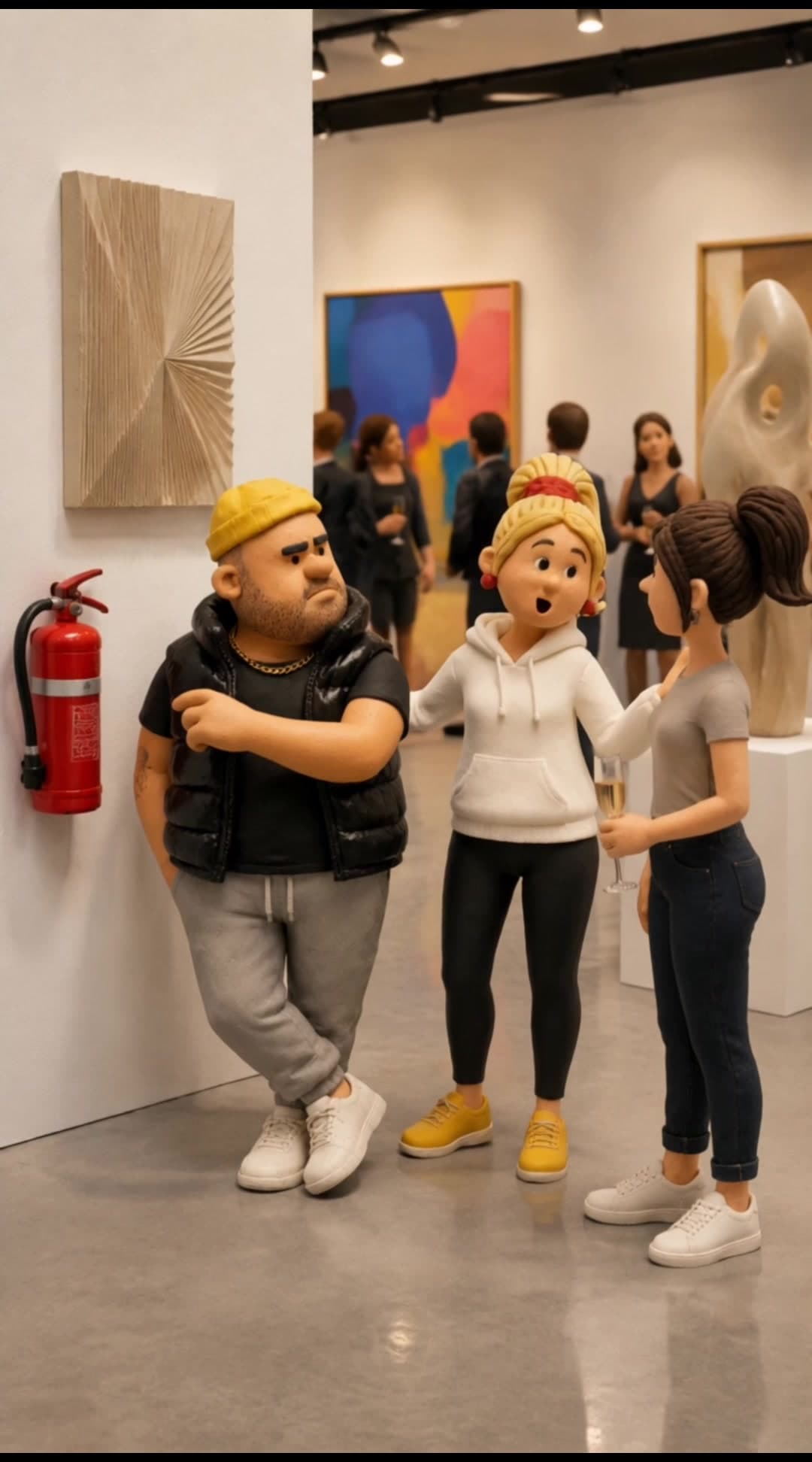

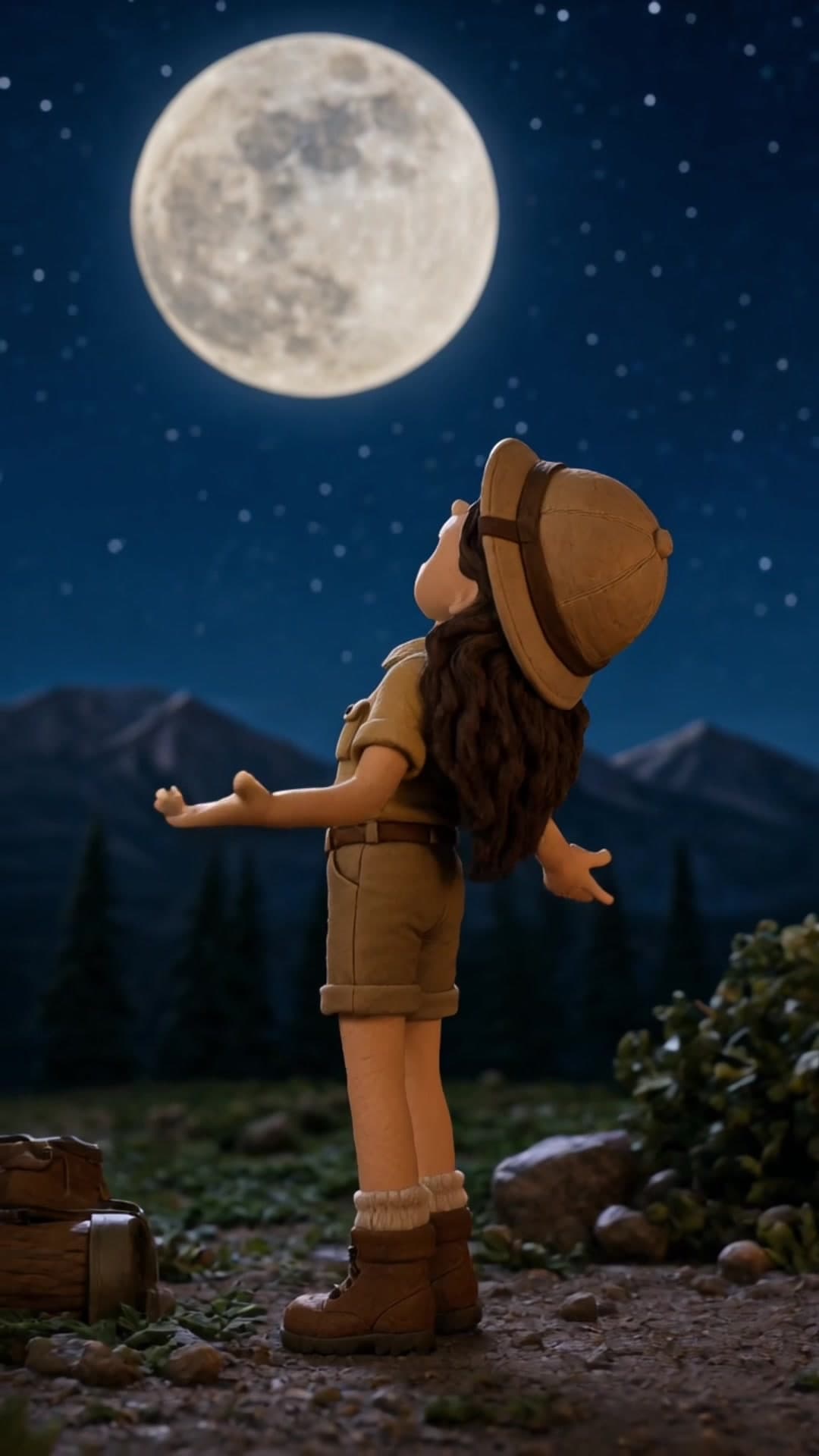




Zombie Transform animates your source image into a zombie-style horror video. You get a before-to-after transformation feel, and the effect works best when the original face is clear and front-facing.
Learn more about
Learn more about
Zombie Transform takes your source_image (image: Your photo) and uses it as the identity anchor for a short horror animation.
The model reads facial landmarks, skin areas, head position, and visible details that define the person, then builds a motion sequence where those features shift into an undead version over time.
Instead of replacing the face completely, it tries to preserve recognizability while introducing decay textures, hollowing, discoloration, and eerie movement cues.
It also invents transitional moments between the original portrait and the final zombie state, so the clip feels like a progression rather than a static filter.
Small details in the photo, like lighting direction and face symmetry, influence how dramatic and clean the transformation appears.
A clear portrait with an unobstructed face gives the best result. The effect needs visible facial features to create a convincing undead change.
You can, but single-person photos are safer. Group shots can make it less clear who should be transformed and often lead to messier animation.
Yes, but in a zombie version. The base identity usually stays recognizable while the effect adds decay, horror styling, and animated transformation.
Yes, as long as the face is large enough and the scan is reasonably clean. Older photos can work well, but faded contrast, blur, or paper glare may reduce how clearly the model reads facial details during the transformation.
The main focus is the face and upper portrait area. Background elements usually stay secondary, so you should expect the strongest visual changes on the subject rather than a full scene redesign.
Yes. All content generated on Flashloop can be used for commercial purposes, social media, ads, client work, product listings. No additional licensing fees.